
Movement is one of the principles of art that expresses the path our eyes follow when we look at a work of art. Without movement, artwork becomes stagnant. In the early 20th Century there was a great focus on ways to suggest movement. The camera had revolutionised the way that artists understood movement and artists felt the need to express movement in expressive ways.
How can we help students to express movement in their work?
- Look at the ways that artists suggest a sense of movement with line and repetition. They also experiment with ways of applying paint by using the action of the paint hitting the surface to show movement (see action painting, Jackson Pollock).
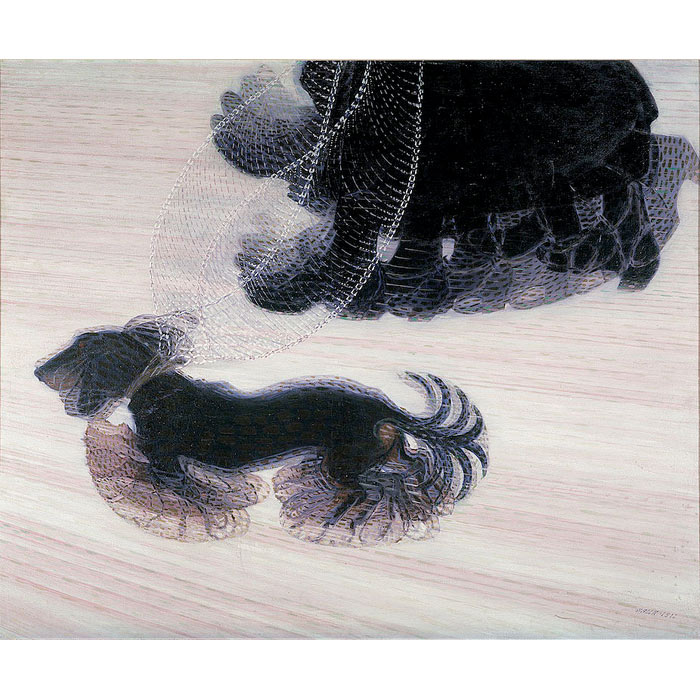
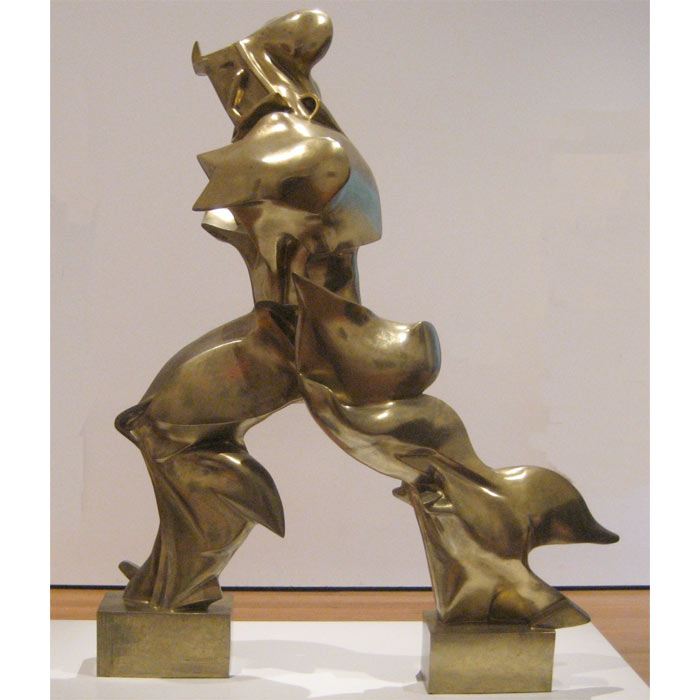
- Futurist artists experimented with abstracting reality. They worked with dynamic shapes and lines in order to suggest movement. Giacomo Ballà was a leading figure in the group. He believed that the power and speed of machines like cars were the outstanding features of the modern age. He aimed to express this idea in works such as Abstract Speed – The Car has Passed 1913.
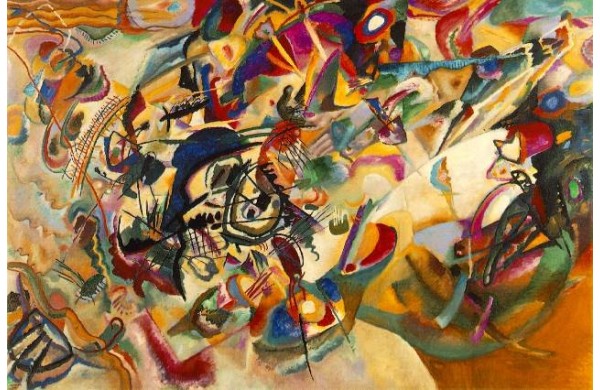
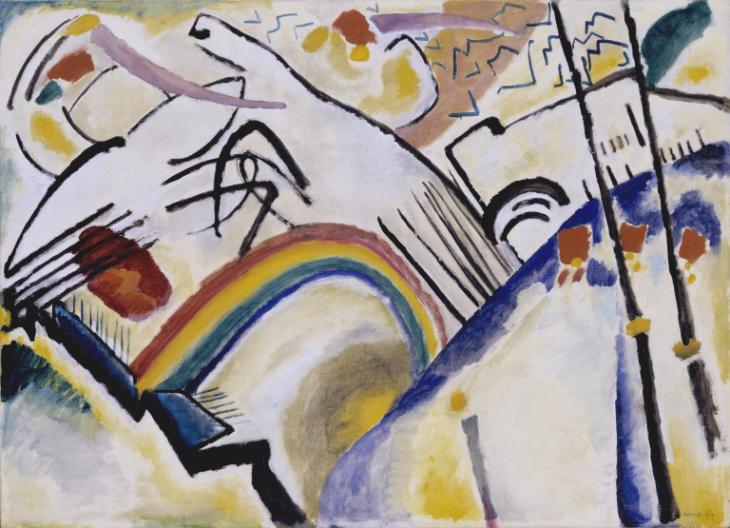
- Some artists (Jackson Pollock, Wassily Kandinsky, Damien Hirst) listened to music while they worked and that influenced their mark making.
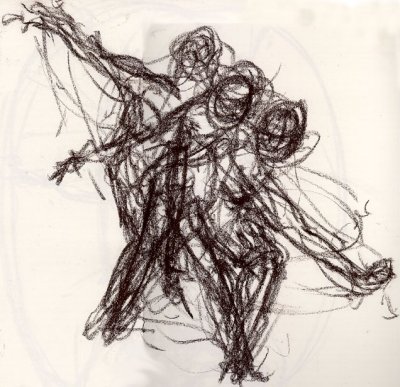
- Read about gestural art for inspiration.
- Graphic artists and cartoonists use specific shorthand marks to suggest movement. During the pop art era, Roy Lichtenstein took these ideas into the realm of ‘fine art’. Students can use cartoon style marks, lines and repeated overlapping images to add movement and dynamism to their artwork.
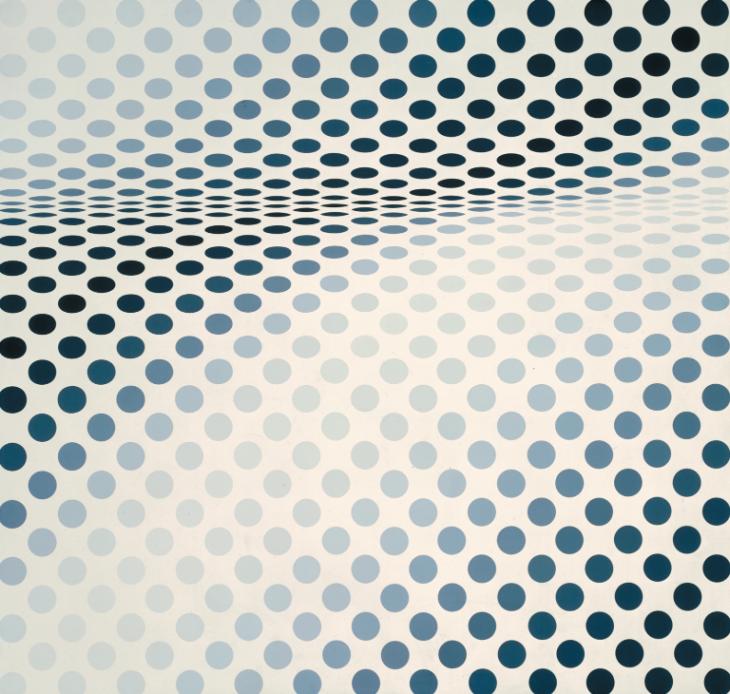
- Another way to think about movement is op art (see Bridget Riley) to investigate how shape, line and composition can create optical illusion and suggest movement.
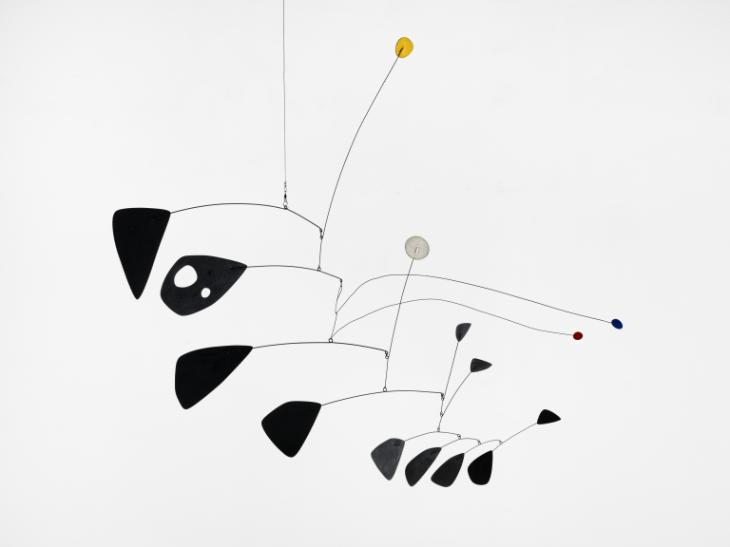
- Mobiles (see Alexander Calder) are a simple way of creating kinetic art that explores the movement of forms and lines in space.
- Experiment with an acrylic pour https://youtu.be/rwgeOJbDjZ0 and record experiments with an iPad.
(adapted from http://www.tate.org.uk/art/student-resource/dynamism-and-movement-exam-help)


 nicola1964art