
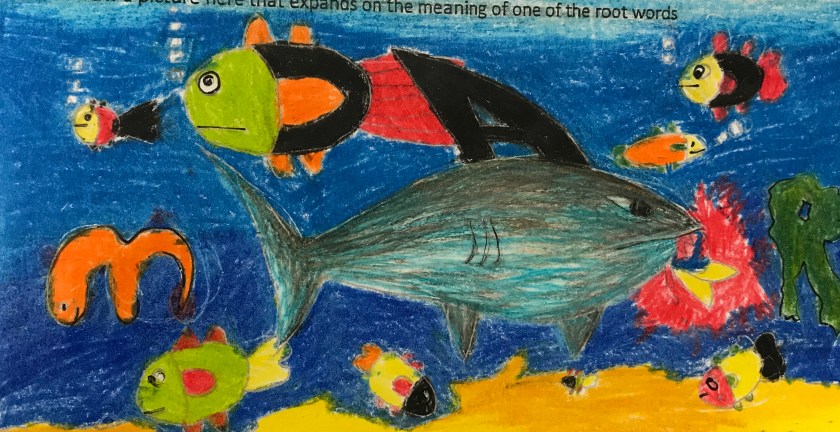

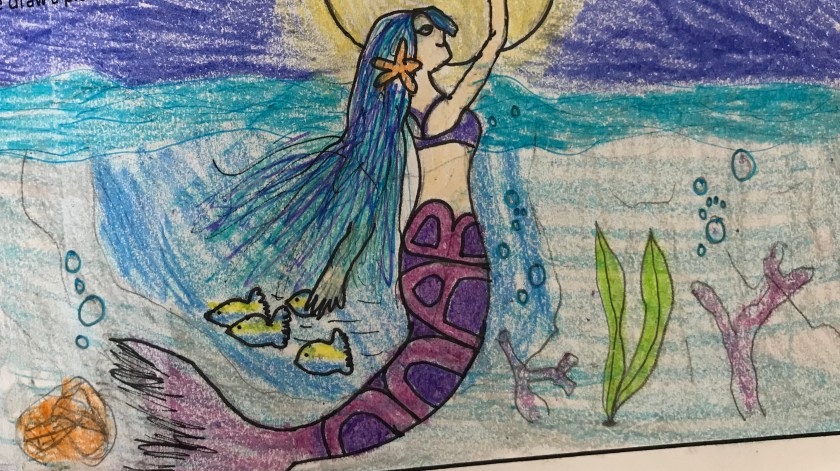
 Students are often asked to illustrate their work and this can be intimidating for those who feel that they ‘can’t draw’ or as one student said to me yesterday, ” I get mad because my drawing never matches what’s in my head”.
Creating parameters for their drawing can offer the scaffolding that some students need. The UK newspaper, The Guardian, remembered the 81st birthday of illustrator Raymond Briggs with these suggestions:
Quentin Blake is one of the best-loved illustrators of children’s fiction. This lesson by Access Art uses Blake’s work to inspire pupils to experiment with a variety of drawing techniques. There are three simple exercises for students to try: using continuous line drawing to create a picture without lifting their pen from the paper; building a picture from a series of separate, straight lines; using a watercolour wash. The aim is to get pupils taking risks with their drawings and trying new ways of working, as well as widening their experience of drawing and getting them away from the idea that a particular way of drawing is right or wrong.
At the end of the session, encourage students to evaluate their work by putting a sign that reads “Playing it safe’”at one end of the room and another that says “Taking a risk’”at the other. Pupils can put their drawings between the two signs, depending on the level of risk they have taken. You will find lots of other ideas on the Access Art website, including warm-up exercises and interesting activities, such as drawing to the beat of a metronome.
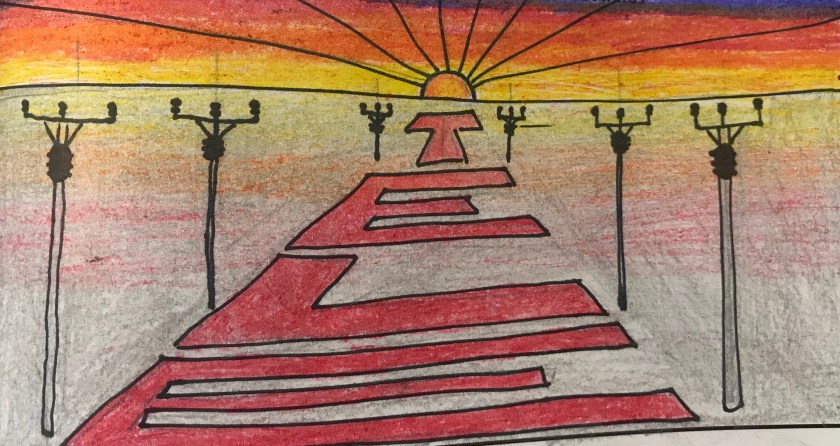
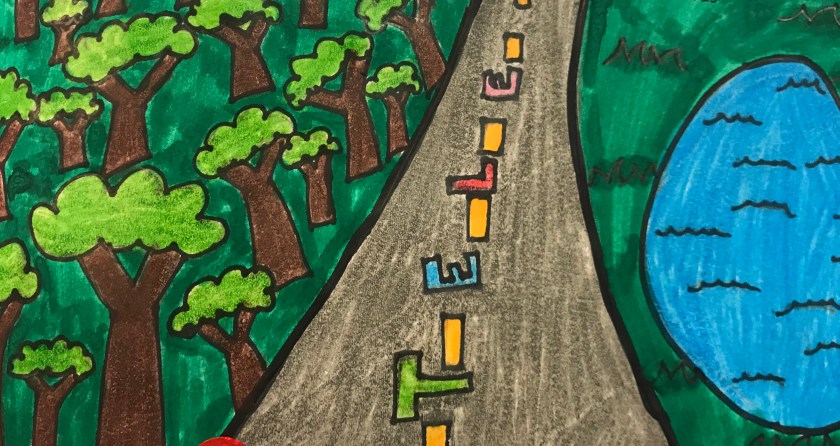
Art consultant Paul Carney has developed some resources for teachers to help them introduce students to a range of drawing styles such as realism, abstract, technical and graphic. These are designed to combat low confidence among students by helping them to develop a style that suits them. He has created a set of drawing lessons using all of these methods and more. They contain instructions for pupils and teachers, as well as links to information on well-known artists. This sample lesson, suitable for students aged between eight and 10 years old, focuses on creating a drawing using “one point perspective”.
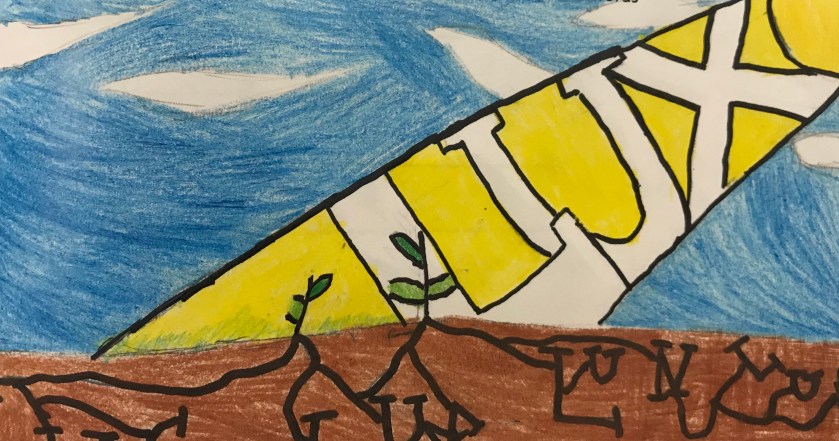
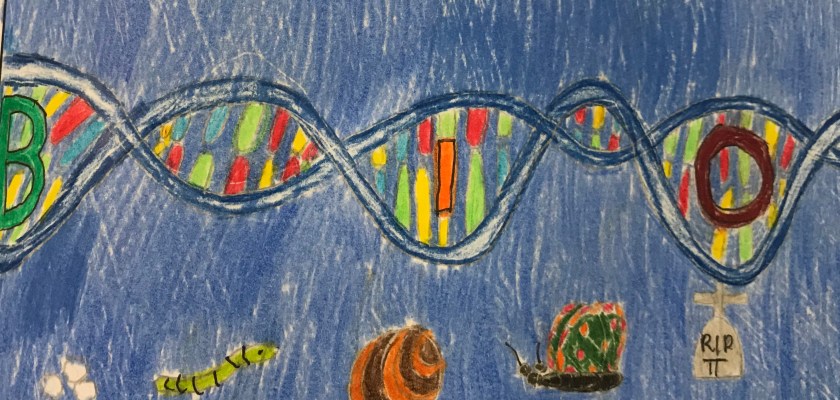
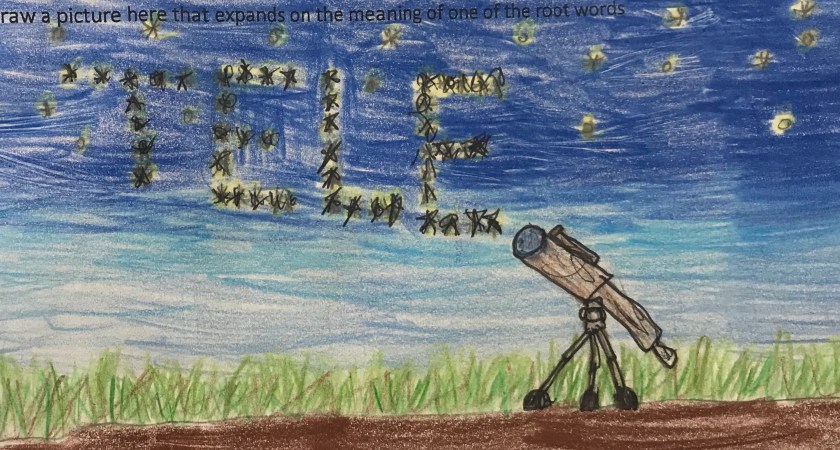
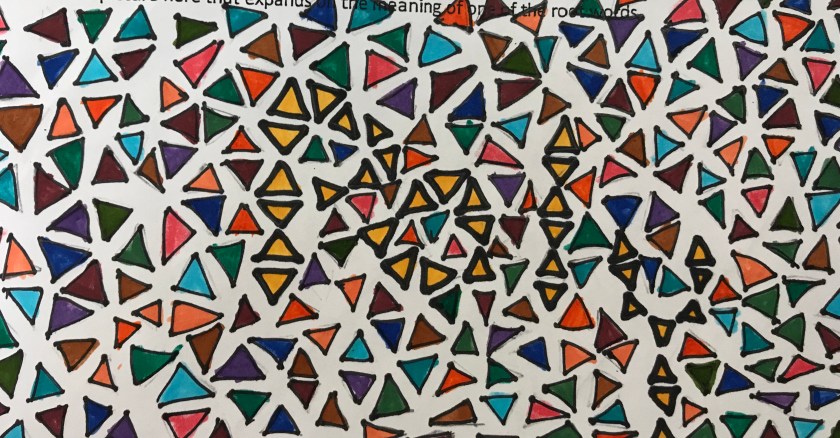
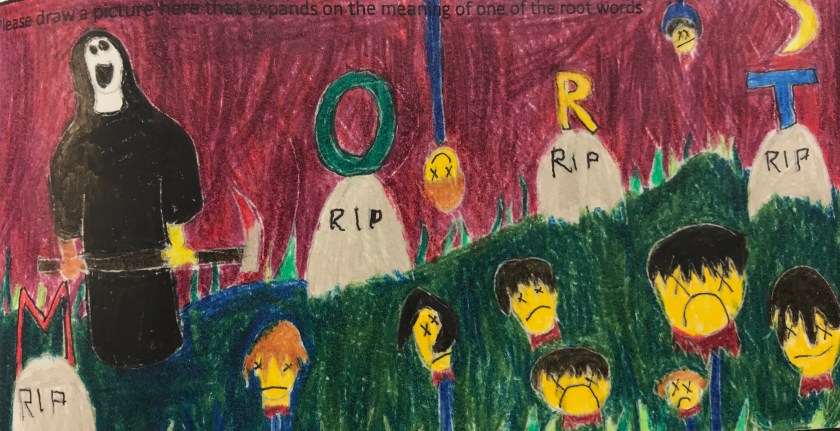
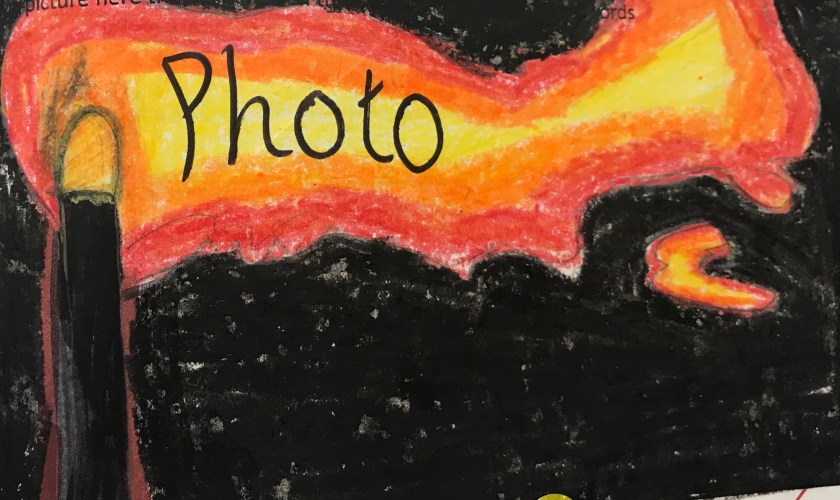
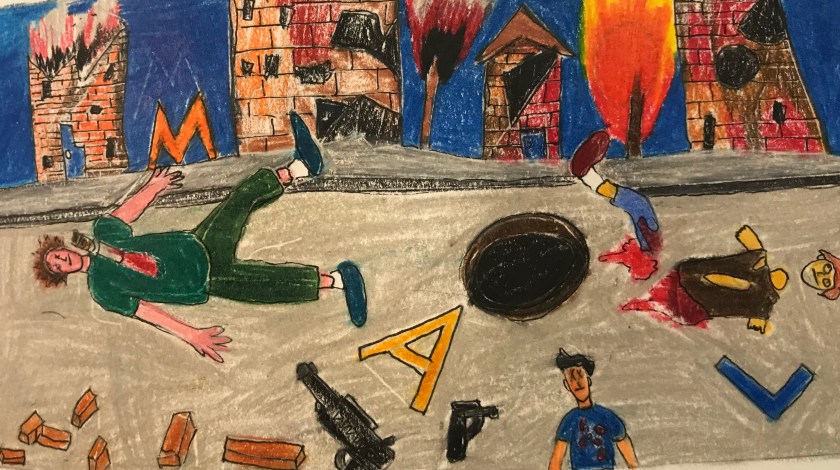
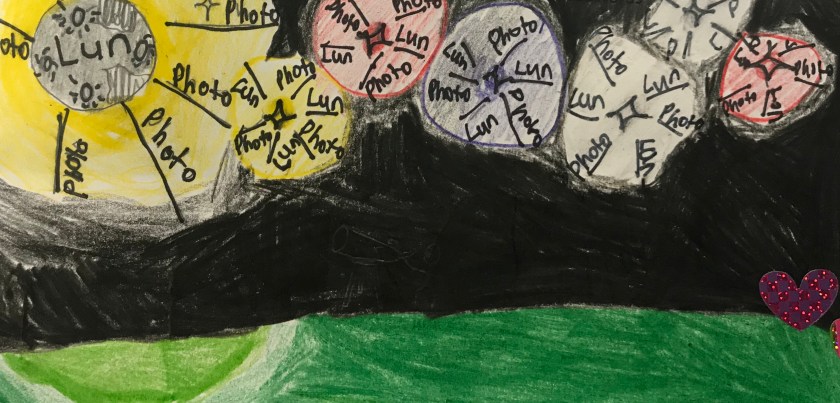
In etymology lessons, with my Grade 6 students, they learn about root words such as auto = self, bio = life, cise = to cut. They illustrate their written work with drawings that are a visual exploration of the root words. They use mixed media with an emphasis on layering colour for added intensity. Not only do they produce beautiful and interesting illustrations, they find that creating a visual helps them to remember and conceptualise the words.
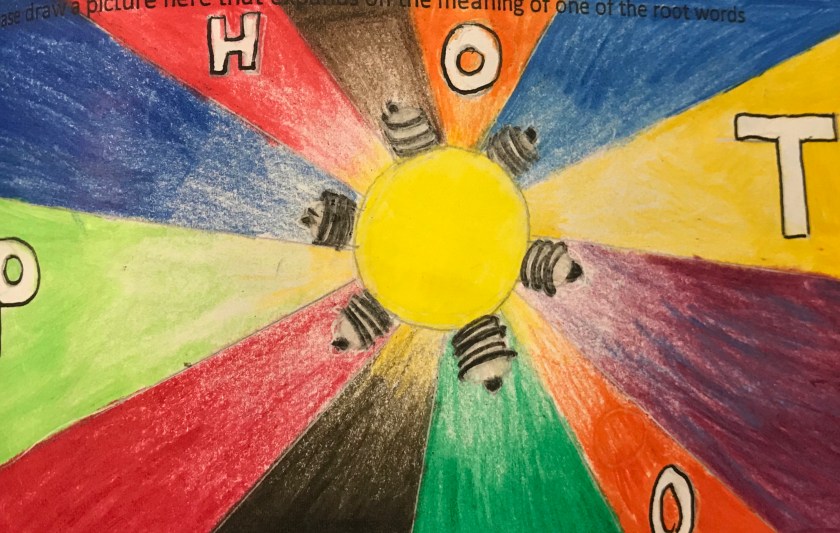




 nicola1964art